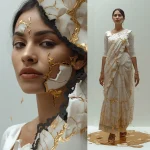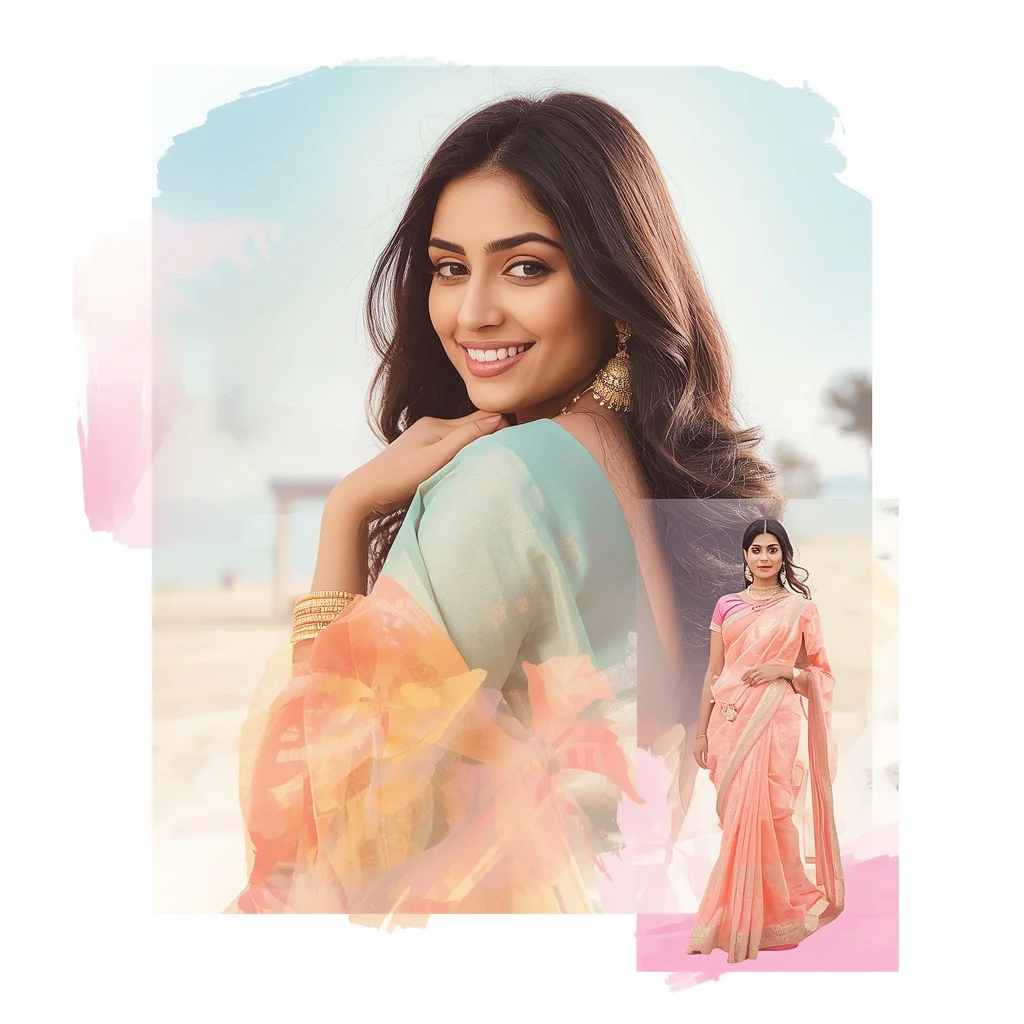


Unlock the secrets of generating photorealistic, culturally rich portraits of Indian girls in traditional attire using cutting-edge AI image generators.
Creating highly detailed and emotionally resonant portraits of Indian girls in traditional attire has become one of the most sought-after trends in digital art creation. Whether you are aiming to generate an Instagram-worthy profile picture or a scenic masterpiece, the secret lies in crafting the perfect prompt. By blending traditional fashion elements with vivid background descriptions and advanced photographic settings, you can produce stunning, high-fidelity images that look indistinguishable from real-world photography.
In this comprehensive guide, we will explore how to craft, refine, and execute prompts that capture the vibrant colors, intricate textures, and genuine emotions of young Indian girls in beautiful settings. We will dive deep into specific prompt structures, analyze why these styles are capturing the attention of millions online, and provide you with actionable steps to achieve professional-grade results on your favorite AI platforms. From playful toddlers to elegant teenagers, these prompts cover a diverse range of ages, moods, and scenic backdrops.
By understanding how to balance subjects, clothing, props, and lighting, you will be able to maximize the potential of modern AI tools. Whether you are a seasoned prompt engineer or a beginner looking to copy and paste high-performing templates, this toolkit provides everything you need to bring your creative vision to life. Let's dive into the fascinating mechanics of rendering radiant portraits that celebrate tradition, youth, and artistic imagination.
What Are Radiant Indian Girls in Elegant Saree Attire?
Radiant Indian Girls in Elegant Saree Attire prompts are specialized text descriptions designed to guide AI image generators in creating lifelike portraits of young Indian female subjects wearing traditional garments. While the term 'saree' is often used as a broad category for Indian ethnic wear, these prompts also encompass other iconic regional outfits such as lehengas, kurtas, and cotton dresses. These outfits are characterized by their rich colors, elaborate embroidery, and flowing fabrics that interact dynamically with the surrounding environment.
These prompts are engineered to focus on authenticity, emotional depth, and cinematic quality. Instead of generating generic, static portraits, they capture moments of movement, genuine laughter, and serene contemplation. By specifying the subject's age, facial expressions, exact clothing details, and the physical actions they are performing, the AI is able to construct a cohesive narrative within a single frame. The addition of scenic backdrops—ranging from lush gardens and grassy fields to vintage carousels and cozy window seats—adds a layer of depth and context that elevates the overall composition.
Furthermore, these prompts incorporate professional photographic terminology. By defining the lens type, depth of field, lighting style, and rendering resolution, you instruct the AI to mimic the behavior of a physical camera. This results in soft background blur, realistic skin textures, natural light reflections, and a level of detail that makes the final image feel warm, organic, and deeply personal.
Why Radiant Indian Girls in Elegant Saree Attire Is Trending
The sudden surge in popularity of traditional Indian portraits on platforms like Instagram and TikTok is driven by a global appreciation for cultural aesthetics and the outstanding capabilities of modern image generators. Traditional Indian garments are inherently photogenic; they feature bold colors like festive yellow, vibrant orange, pastel blue, and deep reds that naturally stand out in digital feeds. The contrast between these vivid outfits and natural backdrops creates a visually striking aesthetic that immediately catches the viewer's eye.
Another reason for this trend is the emotional resonance of the images. Many AI-generated portraits can feel cold or artificial, but prompts that emphasize 'radiant smiles,' 'mischievous glee,' or 'tender affection' produce characters that feel alive and relatable. Audiences are drawn to the pure, uninhibited joy of a child riding a bicycle, the serenity of a girl reading a book by a window, or the playful energy of a teenager twirling in a shower of flower petals. These relatable human experiences, set against beautiful cultural backdrops, evoke a sense of nostalgia and warmth.
Finally, the democratization of AI image generation tools has made it incredibly easy for creators to experiment with these styles. With platforms accepting simple copy-and-paste prompts, users can generate stunning profile pictures, digital wallpapers, or social media content in seconds. This ease of use, combined with the breathtaking quality of the output, has sustained a vibrant online community dedicated to sharing and refining these traditional aesthetics.
Popular Styles You Can Create
When working with these prompts, you can explore several distinct artistic and thematic directions. Each style leverages different clothing, props, and backdrops to tell a unique visual story:
- Festive Joy and Movement: Featuring subjects in vibrant yellow and orange lehengas, captured mid-twirl amidst falling flower petals, emphasizing dynamic motion and infectious laughter.
- Serene and Intellectual: Focusing on quiet, indoor moments, such as a girl in a pastel blue kurta sitting cross-legged on a window seat, holding an open book with a dreamy, soft expression.
- Childhood Innocence and Play: Capturing younger children, around four to seven years old, wearing patterned frocks or casual wear, interacting with soft toys or enthusiastically learning to ride a bicycle in an open park.
- Gentle Connection with Nature: Depicting peaceful outdoor scenes where a girl in a simple cotton dress kneels in a grassy field, gently interacting with small animals, colorful birds, or delicate wildflowers.
- Whimsical Retro-Futurism: Blending traditional charm with sci-fi elements, such as a playful girl in a retro-futuristic outfit riding a vintage carousel horse upgraded with glowing holographic projections.
How to Use Radiant Indian Girls in Elegant Saree Attire
To get the best possible results from these prompts, it is important to follow a structured approach when preparing, inputting, and refining your generations. Below is a step-by-step guide to help you navigate the process seamlessly.
- Select your target AI generation platform, such as Midjourney, Flux, Leonardo AI, or Gemini, and open the prompt interface.
- Copy one of the detailed base prompts from this post that matches the age, outfit, and mood you wish to create.
- Customize the clothing colors, age, or background elements in the text to fit your specific creative vision (e.g., change 'pastel blue' to 'emerald green').
- Paste the customized prompt into the input field of your chosen AI tool, ensuring no extra formatting characters are included.
- Set your desired aspect ratio parameters if using platforms like Midjourney (e.g., add --ar 16:9 for landscape or --ar 4:5 for Instagram portraits).
- Generate the initial grid of images and carefully evaluate the facial expressions, hand structures, and clothing drape.
- Select the best variation and upscale it, or use subtle variations to fine-tune details like lighting and background elements.
What Kind of Base Photo Works Best?
If you are using an image-to-image generator or a face-swapping tool to customize these portraits, choosing the right base photo is crucial. The quality, angle, and lighting of your source image directly influence how well the AI integrates your subject into the traditional scene.
The ideal base photo should be a high-resolution portrait with clear, even lighting on the face. Avoid harsh shadows or strong colored lights, as these can confuse the AI's blending algorithms. The subject's head position should closely match the desired pose in the prompt—for instance, if the prompt describes a girl with her head tilted, a base photo with a slight head tilt will yield a much more natural-looking result. Additionally, neutral or smiling expressions work best, as they allow the AI to map the joyful or serene emotions described in the prompt text without distorting the facial features.
Which AI Tools Deliver the Best Results?
Choosing the right tool depends on your specific needs, whether you prioritize photorealism, ease of access, or advanced customization options. Below is an analysis of how the leading platforms handle these traditional prompts.
| AI Tool | Input Method | Best Feature for Traditional Portraits |
|---|---|---|
| Midjourney | Text Prompt / Image URL | Unmatched photorealism, fabric texture rendering, and cinematic lighting. |
| Flux | Text Prompt | Excellent text adherence, realistic skin textures, and natural hand rendering. |
| Leonardo AI | Text Prompt / Fine-tuned Models | Highly customizable settings, custom style presets, and fast generation speeds. |
| Gemini | Direct Chat / Text Input | Great for quick, accessible generations and understanding complex descriptive language. |
Pro Tips
To elevate your generated images from good to breathtaking, consider incorporating these advanced prompting techniques. First, pay close attention to lighting descriptions. Specifying 'golden hour sunlight,' 'soft nostalgic lighting,' or 'dappled forest light' helps the AI calculate realistic reflections on shiny fabrics like silk sarees or embroidered lehengas.
Second, utilize camera lens specifications. Mentioning a '50mm lens' or '85mm lens' with a 'shallow depth of field' forces the AI to focus sharply on the subject while beautifully blurring the background, mimicking professional portrait photography. Lastly, describe the fabric's behavior. Phrases like 'the lehenga flares out dynamically' or 'fabric billowing in the gentle breeze' add a powerful sense of motion and realism that static descriptions simply cannot achieve.
Common Issues and Quick Fixes
Even with advanced AI tools, you may occasionally run into generation errors. Understanding how to diagnose and correct these issues will save you time and improve your creative output.
| Common Issue | Cause | Quick Fix |
|---|---|---|
| Deformed hands or fingers | AI struggling with complex hand geometry during motion poses. | Add negative prompts like 'deformed hands, extra fingers' or use inpainting to regenerate the hands. |
| Mismatched clothing styles | Vague descriptions of traditional attire causing the AI to mix cultures. | Be highly specific (e.g., specify 'pastel blue lehenga-choli' instead of just 'traditional dress'). |
| Flat, artificial lighting | Lack of environmental light cues in the prompt. | Incorporate phrases like 'bathed in warm golden sunlight' or 'soft, natural volumetric lighting'. |
Frequently Asked Questions
Can I use these prompts on free AI tools?
Yes, you can copy and paste these prompts into free options like Leonardo AI or Gemini, as well as premium tools like Midjourney and Flux.
How do I change the clothing color in the prompts?
Simply replace the color keywords (like 'pastel blue' or 'yellow and orange') with your desired color palette before pasting the prompt.
What is the best lens setting for realistic portraits?
Using a 50mm or 85mm lens setting in your prompt text helps create a natural perspective with a beautiful shallow depth of field.
Conclusion
Creating radiant portraits of Indian girls in elegant traditional attire is a rewarding journey that blends cultural beauty with modern technology. By leveraging specific details, professional camera settings, and the right AI tools, you can generate stunning, emotive images that capture the imagination. Start experimenting with these prompts today on platforms like ChatGPT, Gemini, Midjourney, Flux, or Leonardo to bring your own vibrant, scenic visions to life.